










Living Heritage
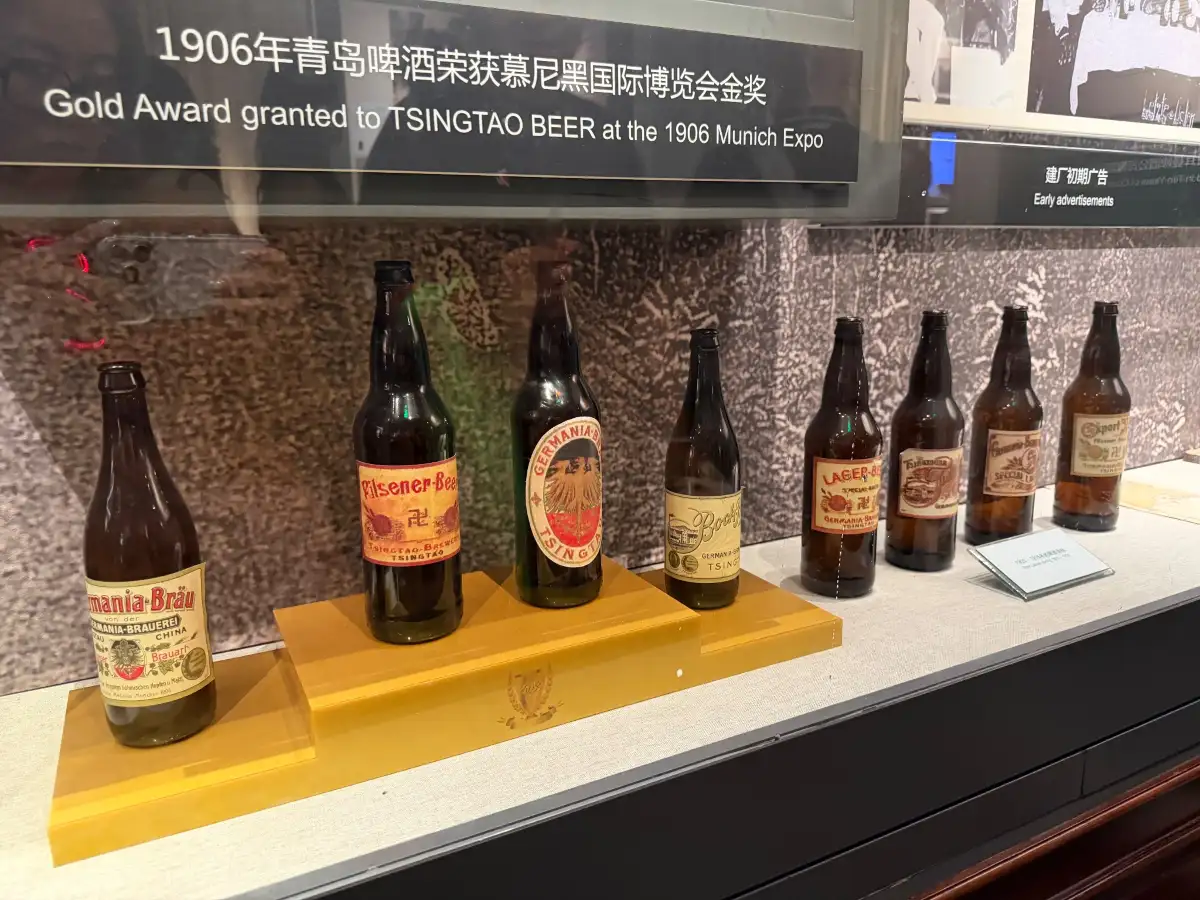
The 1903 complex is preserved as a working piece of history — 30,000+ artifacts, original kettles and wooden fermentation tanks, all in the buildings where Tsingtao beer was born.
青岛啤酒博物馆
The story of the Tsingtao Beer Museum — a 1903 German-style brewery on Dengzhou Road, reborn as China's first beer-themed national first-class museum.
Who we are
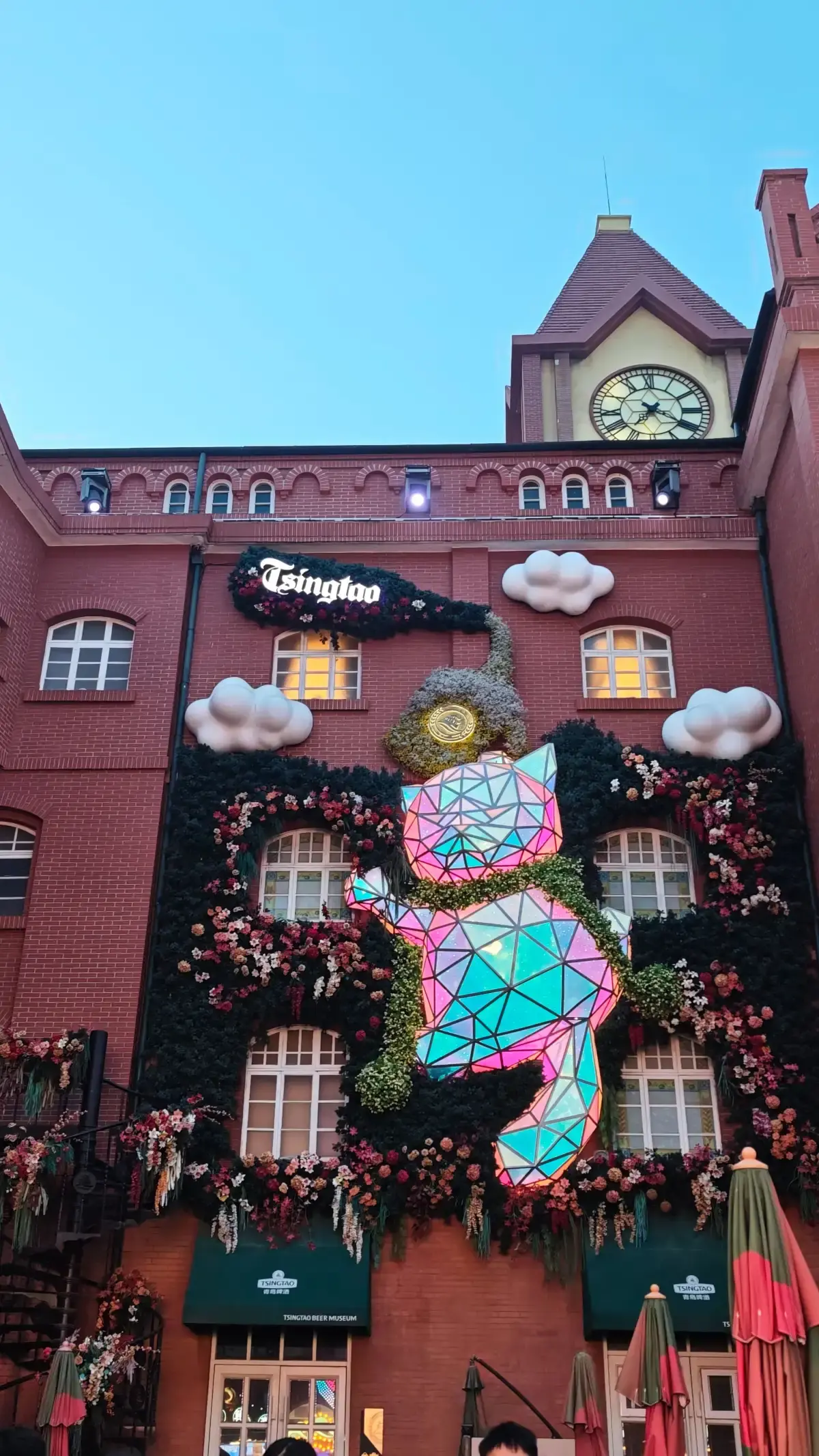
The Tsingtao Beer Museum (青岛啤酒博物馆) stands at No. 56 Dengzhou Road in Qingdao's Shibei District — the birthplace of Tsingtao beer. Here, inside a 1903 German-style industrial complex, China's beer industry made its journey from infancy to prominence, and today the weathered red-brick workshops house China's first beer-themed model for industrial heritage revitalization.
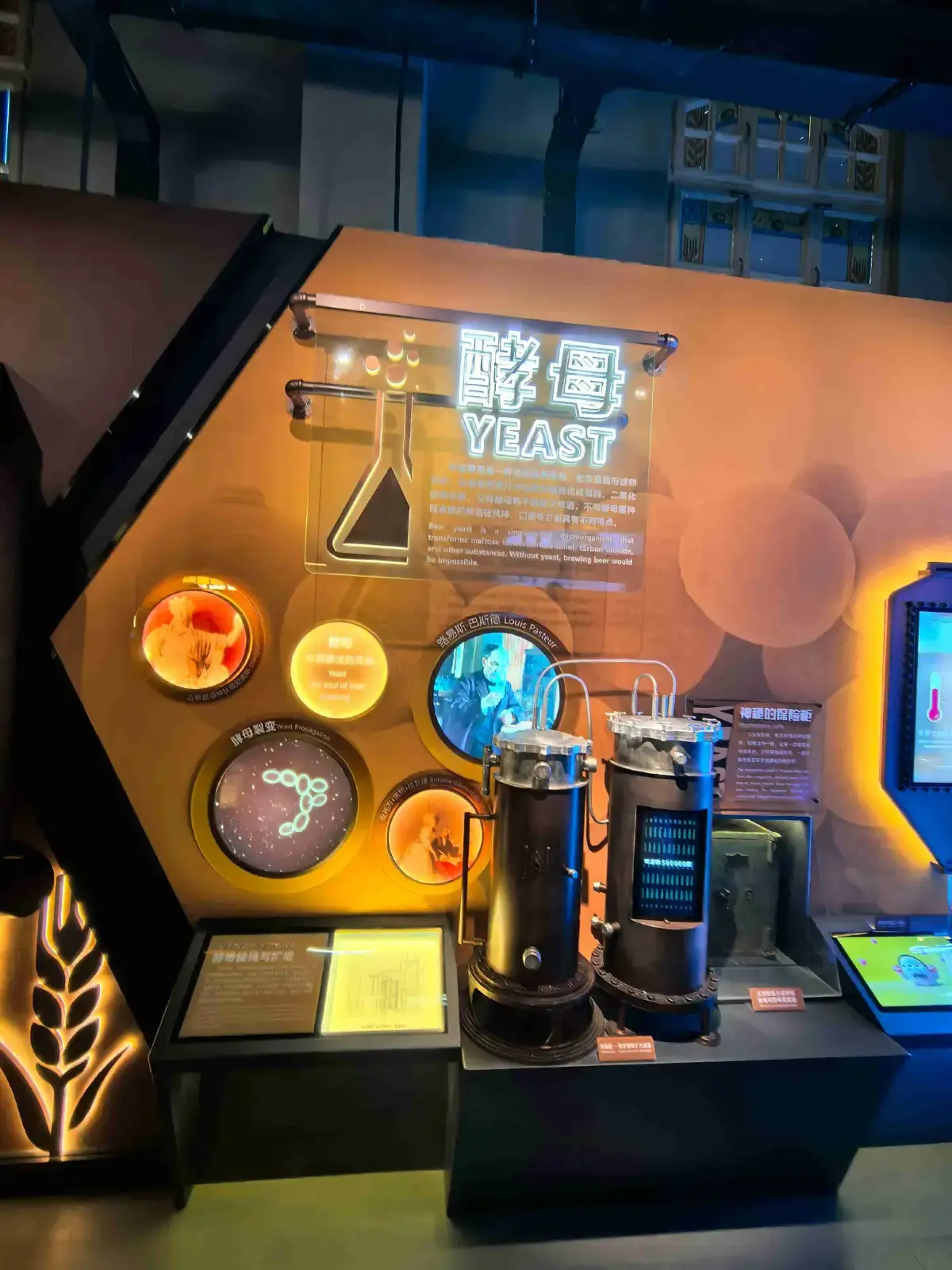
Inside, precious early equipment — old motors, mash kettles and boiling kettles — turns the old factory into an immersive time machine. Visitors walk the century-old memory corridor and touch more than 30,000 artifacts from the German occupation era, then look through glass walls as the smart production lines of the "lighthouse factory" brew today's beer. Traditional wooden fermentation tanks and fully automated filling equipment stand in conversation, decoding the evolution of Chinese manufacturing from artisanal heritage to digital transformation.
With the innovative concept of "living heritage + technological empowerment", the museum breaks free from static display: the VR brewing lab lets visitors become brewers adjusting malt ratios, the hop recognition system decodes the science behind beer flavors, and personalized label printing turns taste into a portable memory of the city. Honors include national first-class museum, China's top 10 cultural heritage tourism cases, and selection as a national cultural industry demonstration base.
Our mission
The Tsingtao Beer Museum is more than an exhibition — it is a living bridge between industrial heritage, technology and the city's culture.
The 1903 complex is preserved as a working piece of history — 30,000+ artifacts, original kettles and wooden fermentation tanks, all in the buildings where Tsingtao beer was born.
The VR brewing lab, hop recognition system and personalized label printing turn a museum visit into an interactive experience where visitors don't just look — they brew, taste and create.
From malt to glass, every stage of brewing is explained for all ages — students, families and beer geeks leave knowing exactly what makes a Tsingtao pour taste like Tsingtao.
Recognized among China's top 10 cultural heritage tourism cases, the museum continues to brew the city's cultural richness from industrial heritage — and injects sustainable vitality into the century-old factory.
Location
The museum sits at No. 56 Dengzhou Road in Shibei District, the neighborhood where Qingdao's beer culture was born. Step out of the gate and you are on the famous Beer Street — with the old town, the seaside and Zhongshan Park all within easy reach. Many visitors pair the museum with a stroll down Dengzhou Road, a seafood dinner and a sunset by the pier.
The venues
Your ticket covers both halls on a one-way route, so you never backtrack.
The century-old memory corridor, 30,000+ artifacts, original brew kettles and the story of 1903 to today.
The old factory and the real, working production line — glass walls onto the "lighthouse factory" in action.
The VR brewing lab and hop recognition system — become the brewer and decode the flavors.
Two free drinks along the route: the cloudy original beer and the crisp pure draft, straight from the source.
Print your own Tsingtao label — the personalized souvenir that turns taste into a memory.
Recognition
The museum's benchmark value in cultural-tourism integration is written in its awards.
Ratings at a glance: 4.8/5 from 48,593 travelers on Trip.com and 4.3/5 from 920 reviews on TripAdvisor.
The museum in numbers
Our promise
Behind every exhibit stands a simple idea: heritage is most alive when you can touch, play and taste it. The museum's curators keep the 1903 equipment turning, the archives growing and the stories honest — while the interactive labs and the working production line show that this birthplace is still very much a brewery, not just a monument. When you smell the malt in the old kettles or watch a robotic arm cap a bottle behind the glass, you are watching a century of craft hand over to the next one.
We also believe a visit should leave you knowing something that lasts. Every display answers a question worth asking — why hops preserve beer, how yeast changes flavor, what "lighthouse factory" means for modern manufacturing — so you walk out with more than photos. That is the promise we want every guest to take home: the warmth of a century-old red-brick factory, the taste of beer poured at its source, and a deeper appreciation for the city that beer built.